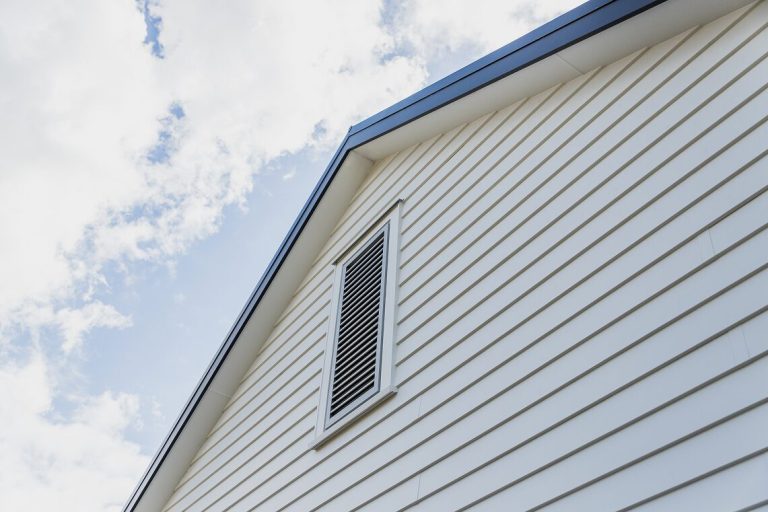
When you’re choosing colours for exterior timber cladding, it’s not just about aesthetics. The Light Reflectance Value (LRV) of your paint or stain colour has a direct impact on:
- How hot your cladding gets
- How much it moves
- How long the coating – and the cladding – will last
For radiata pine systems like South Pacific Timber’s EnviroPine H3.2 cladding, getting LRV right is critical for long-term performance.
What is LRV?
Light Reflectance Value (LRV) is a number from 0–100 that describes how much visible light a colour reflects:
- 0 = Black – absorbs almost all light and heat
- 100 = White – reflects almost all light and stays much cooler
Most exterior paint and stain systems publish the LRV for each colour on:
- Colour charts and fandecks
- Online colour libraries
- Technical data sheets
If it’s not obvious, your paint supplier can confirm the LRV for you.
Why LRV matters for timber cladding
1. Heat and movement
Timber is a natural material. The darker the colour (lower LRV), the hotter the surface gets in the sun.
Compared with a light colour, a very dark colour can run tens of degrees hotter, which:
- Increases expansion and contraction
- Stresses fixings and joints
- Leads to cupping, bowing, checking and splitting – especially on wide weatherboards and vertical shiplap
On radiata pine cladding, those effects show up quickly if the colour choice is too dark.
2. Resin bleed and staining
Radiata pine contains natural resins. Excessive heat from dark colours can:
- Pull resins to the surface
- Cause yellow/brown staining under lighter coatings
- Undermine adhesion and appearance
Once resin bleed sets in, it’s time-consuming and costly to fix.
3. Coating life and warranty
LRV is a simple, measurable way to control heat load on the cladding:
- High LRV (lighter colours) → cooler, more stable, longer coating life
- Low LRV (dark colours) → hotter, more movement, faster breakdown
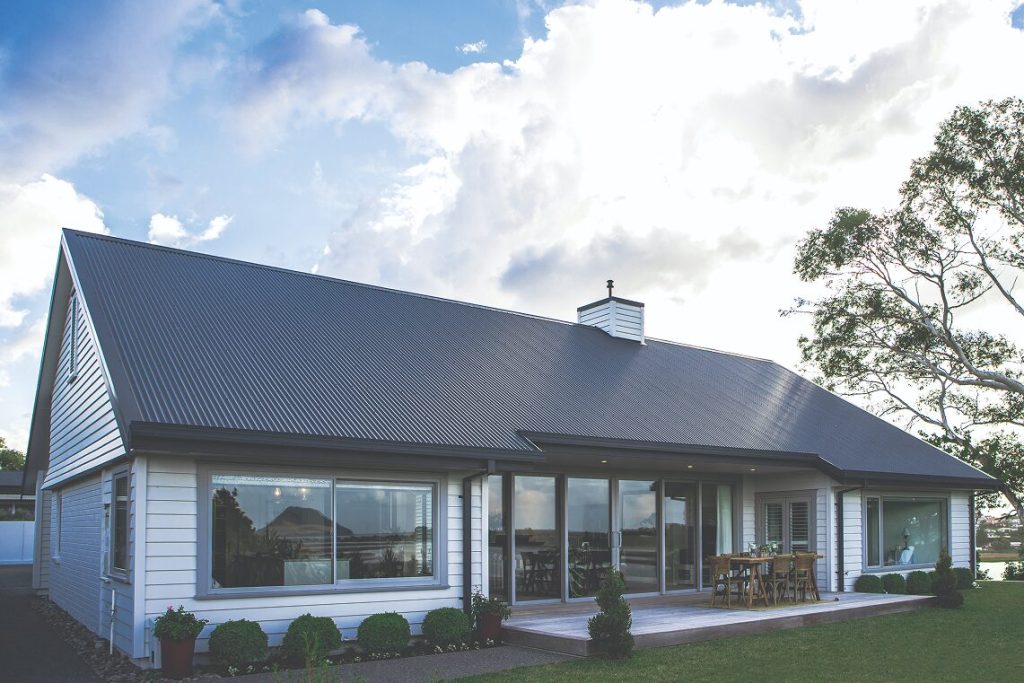
For that reason, most timber cladding systems in NZ only support light to mid-tone colours and explicitly exclude very dark tones from their warranty conditions.
Does the NZ Building Code specify LRV?
No. The NZ Building Code does not set a minimum LRV for timber weatherboards.
Instead, LRV limits are set by:
- The cladding system supplier (e.g. South Pacific Timber for EnviroPine)
- The coating manufacturer
If you choose a colour darker than the system allows, you may still be “Code-compliant”, but you’re likely outside the product warranty and at higher risk of performance issues.
SPT’s LRV requirement for EnviroPine
For South Pacific Timber’s EnviroPine H3.2 cladding system, the key colour rule is simple:
Use exterior coating systems with an LRV of 45 or higher on all EnviroPine cladding.
In practice, that means:
- No near-black or ultra-dark colours on EnviroPine radiata pine
- Stick to light and mid-tone colours with a published LRV ≥ 45
- If the colour’s LRV is below 45, it falls outside SPT’s recommendations and may affect performance and any applicable guarantees
This is in line with wider NZ industry practice for pine weatherboards and finger-jointed cladding.
Coating specification: not just the colour
LRV is one part of the system. To get the best out of EnviroPine cladding, make sure your coating specification also covers:
1. All faces sealed
- Prime or stain all faces (front, back, edges, end-grain) before installation
- Seal any cut ends, notches or penetrations immediately on site
This helps control moisture uptake and movement.
2. Correct number of coats
Typically for a painted EnviroPine system:
- 1 x primer / undercoat suited to H3.2 radiata pine
- 2 x finish coats in an LRV-compliant colour
Some systems allow a factory-applied base coat plus site topcoats – follow the coating manufacturer’s data sheets.
3. Compatible systems
Use:
- A reputable exterior timber cladding system (paint or stain)
- Primer and topcoats from the same manufacturer
- Products explicitly approved for NZ exterior timber cladding
If the design pushes toward darker colours, talk to SPT and the paint manufacturer before you commit – it may require a different substrate or specialist system.
How to check a colour’s LRV
When you’re selecting colours:
- Shortlist colours from your preferred exterior system.
- Find the LRV in the colour chart, online library or data sheet.
- Confirm LRV ≥ 45 for EnviroPine cladding.
- If the LRV is < 45, either:
- Choose a lighter alternative, or
- Discuss alternative substrates or system options with SPT
A 30-second LRV check up front can save a very expensive remedial job later.
Can I use dark colours on timber at all?
Deep charcoals and black façades are fashionable – but standard radiata pine weatherboards and vertical shiplap aren’t designed for very low-LRV colours under normal warranty conditions.
If the design is non-negotiable, consider:
- Alternative cladding substrates specifically approved for dark colours
- Specialist high-TSR (solar-reflective) systems, with written confirmation from both cladding and coating suppliers
For EnviroPine, the conservative and proven path is to stay within LRV ≥ 45.
Quick colour selection checklist for EnviroPine
Before colours are signed off:
- Cladding is EnviroPine H3.2 radiata pine
- Coating is a reputable exterior timber system
- Chosen colour has LRV ≥ 45
- Primer and topcoats follow:
- The EnviroPine Cladding Guide, and
- The coating manufacturer’s data sheets
- All faces and cut ends will be sealed correctly
If you can tick these off, you’re setting your EnviroPine cladding up for a long, stable, good-looking life.
Need help with LRV and colour selection?
If you’re unsure about a colour, or juggling design intent vs performance:
- Send us the colour name and LRV
- Share your cladding profile, exposure and location
- Ask our team to sanity-check your specification
Talk to South Pacific Timber’s cladding specialists before you paint – it’s far cheaper to fine-tune a colour on a plan than to remediate a hot, cracked façade on site.